Finding Your Perfect Midwife
This article is written by Paula Grady LM, CPM - a California licensed midwife serving Napa, Sonoma, Solano, Contra Costa and Marin counties for over 25 years. If you are are looking for natural pregnancy care in the North Bay area, you can learn more about Paula and her practice here.
Finding your perfect midwife is a very personal and intimate decision. The period of pregnancy, labor and delivery is usually filled with strong emotions and concerns. In addition, there are different types of midwives, so it's important to understand the differences when deciding whether a natural birth is right for you and your baby.
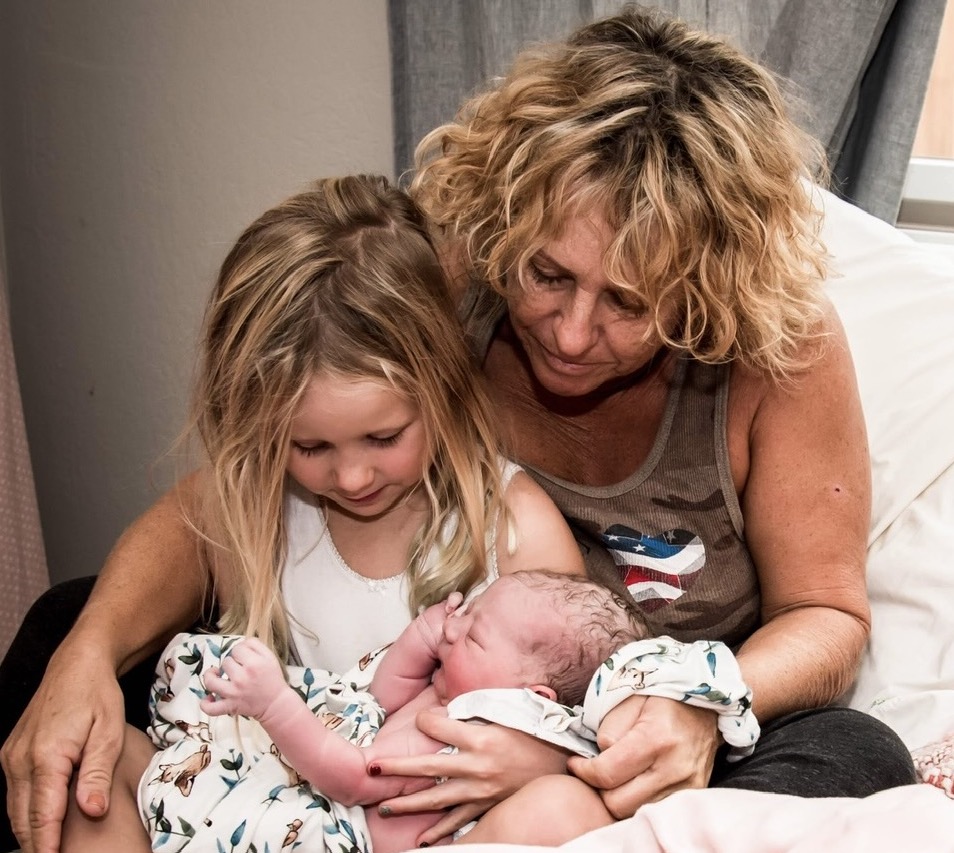
Your ideal midwife will be an expert at navigating this incredible emotional journey while providing expert care in the way that works best for you, your baby, and your family.
How to Go About Finding Your Perfect Midwife
The literal translation of the word 'midwife' is 'with woman.' A midwife is a person (male or female) who attends to the pregnancy care of women who prefer a low-intervention, natural birth.
While there is no rule that requires a midwife to be female, the vast majority of them are. So with complete respect to ALL people who are 'with woman' through her pregnancy, we will refer to both certified nurse-midwives and licensed midwives as 'she' and 'her.'
With all that in mind, here are six essential factors to help you choose your perfect midwife.
1. Ensure She is Properly Qualified
A good first step in finding your perfect midwife is to ensure she holds at least one credential from a reputable certification and / or licensing body. The North American Registry of Midwives (NARM) issues the Certified Professional Midwife (CPM) credential, which is established through training, education, supervised clinical experience and a written exam.
Here in California the Licensed Midwife (LM) designation is administered by the Medical Board of California and enables the recipient to provide a broad range of women's health services to expecting mamas, including prenatal care, childbirth, and newborn care.
In the United States a Certified Nurse Midwife (CNM) is an individual who has received her Registered Nurse (RN) license, attended an approved graduate program from an institution accredited by the American College of Nurse-Midwives and passed a certification exam administered by the Accreditation Commission for Midwifery Education (ACME).
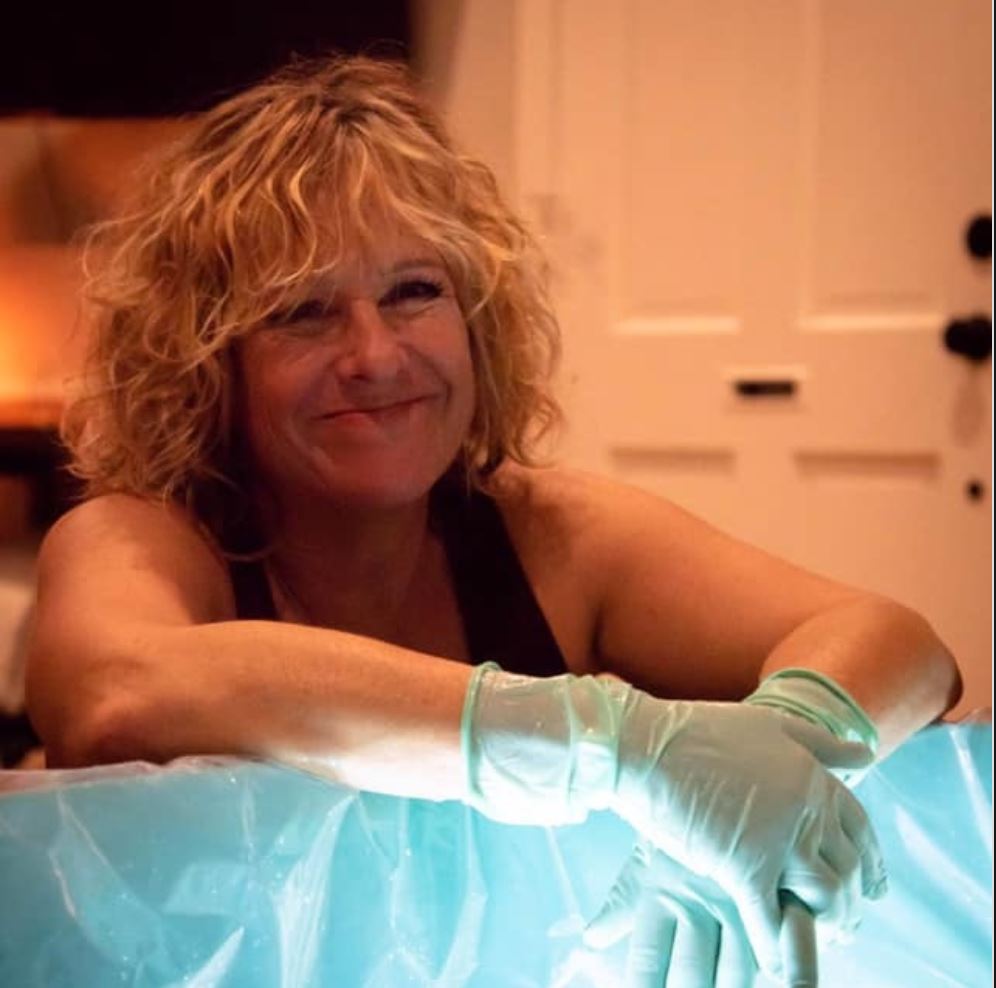
2. Insist on Experience
When it comes to midwifery care (yes, "midwifery" is a word!) - experience matters. Every birth is different and your perfect midwife is most likely the one who has ‘seen it all’ – for both high-risk pregnancies and low-risk pregnancies - and can respond calmly and confidently to any situation.
Regardless of whether she is a licensed midwife or a certified nurse-midwife, ask her how many births she has attended, what beliefs she has formed about medical care and what lessons she has learned. Find out whether she prefers holistic care and her level of experience with home birth and water birth. Understand her perspective on medical interventions such as cesarean section; when are they necessary?
Consider asking whether she has had a natural childbirth experience of her own. While that is not a prerequisite to being a good midwife, wouldn’t you prefer to entrust your care to somebody who has ‘been there, done that’ herself?
3. Make Sure You are Comfortable With the Birth Plan
While there are many similarities, licensed midwives and certified nurse midwives sometimes have differing perspectives on the care of pregnant women.
Generally a licensed midwife will be oriented toward a low-intervention, out of hospital (OOH) birth, while a certified nurse midwife might be a good idea if your preference is for a hospital birth.
Regardless of her credentials, every midwife has her own approach, ideally developed over years of experience. Be sure you talk with your potential midwife about the flow of prenatal visits, labor and delivery, and postpartum care.
Make sure you are clear on how long visits will be, what will occur at each visit, and whether any tests or screenings are required. Find out how accessible your midwife will be between visits if you have questions or concerns.
Be sure to understand her point of view on pain relief and pain management. Most midwives will propose a complete birth plan before labor commences. Finding your perfect midwife includes agreeing to a plan that fits your personal desires and preferences.
4. Pay Attention to What Others Are Saying
The single best way to find your perfect midwife is to start with referrals from people you know and trust. There’s nothing quite like a personal referral and / or a glowing public reputation to help put an expectant mother’s mind at ease.
If you can, talk with other new mothers who are willing to share the childbirth experience they had with your prospective midwife. Search for her under Google and Yelp reviews.
Ask her for references. Don’t be worried about a negative review or two – every midwife will have a few of those, especially if she has been practicing over many years. When considering potential midwives, do make sure that others have had the kind of experience you desire, under the care of your prospective midwife.
5. Don't Assume "Insurance Will Pay"
The unfortunate truth is – many insurance plans do not pay for midwifery care or an out of hospital (OOH) birth. But many do. Ask your potential midwife whether she accepts insurance and what her experience has been achieving reimbursement. Make sure you check with your plan administrator before engaging with a midwife, to avoid unpleasant surprises.
If you are committed to an OOH birth and your insurance plan won’t cover it, ask your potential midwife about discounts and payment plans. Most will work with you to realize your goal of a natural birth experience. For more information on this topic visit how much is a midwife?
6. Trust Your Gut In Finding Your Perfect Midwife
This person will be an important part of your life for weeks or months to come. How do you feel in her presence? Does she inspire feelings of safety and confidence? Do you enjoy her at a personal level? Do you trust her with your emotional and physical well-being?
In our practice, we believe the most important step, by far, is to find the right fit - we call it finding "your perfect midwife." And we know it won’t always be one of us. Your childbirth needs are as unique as the rest of you. Make it your top priority to find your midwife. That - along with the right birth education - will go further than anything else to ensuring you have the natural birth experience you want.
What's Next?
If you are looking for your perfect midwife, you have probably made the decision to have a natural birth. If so - congratulations are in order! You've made a decision that will change your life in a very powerful way! I know that's dramatic, but I've had hundreds of mamas tell me that is exactly what happened for them.
Frequently Asked Questions
Q: How early should I choose my midwife?
A: Most families make their decision between 8–12 weeks of pregnancy, but you can begin consultations any time. Earlier consultations give you more time to build trust and explore your birth preferences.
Q: Do I need a midwife or an OB for a low-risk pregnancy?
A: For healthy, low-risk pregnancies, midwifery care is a safe and evidence-based option. Midwives specialize in physiologic birth and spend significantly more time with clients than OBs. If complications arise, midwives consult or transfer appropriately.
Q: What questions should I ask during a midwife consultation?
A: Ask about experience, licensing, backup plans, emergency readiness, transfer protocols, and what their support looks like before, during, and after labor. The goal is to identify the provider whose approach aligns best with your values and birth goals.
Q: Can I switch to a midwife later in pregnancy?
A: In many cases, yes. Some families transfer care at 20–28 weeks once they realize they want a more personalized, low-intervention model of care.
About the Author

Paula Grady, LM is a Licensed Midwife and Co-Founder of The Midwives Childbirth Services, serving families across Sonoma, Napa, Marin, and the North Bay. Paula has supported hundreds of women through pregnancy, natural birth, and postpartum recovery, with a calm, evidence-based, woman-centered approach grounded in more than two decades of experience. Read Paula’s full profile here.
Additional Resources
Birthing Instincts with Dr. Stu - education from an OB who promotes the midwifery model of care
The Bump - informational website supporting mamas at all stages of pregnancy and postpartum
Mother Rising - helping parents have a more informative and empowering journey to motherhood
Expecting and Empowered - to help solve issues that occur during pregnancy and postpartum.
North American Registry of Midwives - credentialing organization for Certified Professional Midwives
American College of Nurse-Midwives - professional association representing midwives
Medical Board of California - governs licensure of medical care providers including licensed midwives